Lodi Lake Nature Trail β€” Seasonal Field Guides
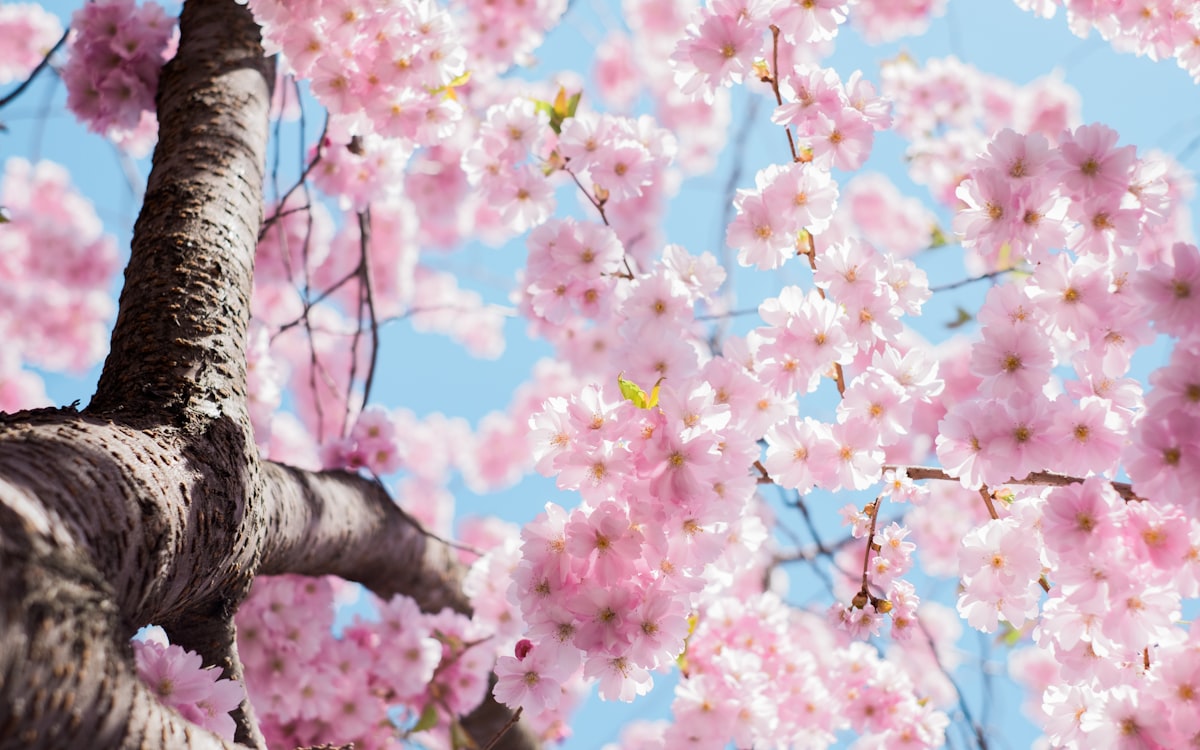
Spring riparian forest with green foliage and wildflowers
Season One

Spring

March Β· April Β· May

"Spring at Lodi Lake is an awakening β€” the canopy erupts in tender green, wildflowers carpet the understory, and the air fills with the songs of returning migrants and newly arrived nesters."

March through May transforms the Lodi Lake Nature Trail into one of the most rewarding wildlife destinations in the Central Valley. As temperatures warm and the Mokelumne River settles after winter rains, the riparian forest undergoes a dramatic renewal. Valley oaks and Fremont cottonwoods burst into fresh leaf, creating a cathedral of dappled light along the trail's 3.2 miles of paths.

This is prime nesting season. Black-chinned Hummingbirds arrive from Mexico, Bullock's Orioles flash brilliant orange through the cottonwood canopy, and the picnic area near the Nature Area entrance becomes a warbler hotspot as waves of migrants pass through on the Pacific Flyway. Wildflowers β€” lupines, California poppies, and blue-eyed grass β€” bloom along the sunnier edges of the trail, drawing pollinators in abundance. Deer, squirrels, and river otters are especially active in the cool morning hours. Plan your visit at dawn for the full symphony.

🌺 Peak wildflowers 🐦 Spring migration surge πŸͺΉ Nesting season begins 🐒 Turtles emerge 🌿 Fresh canopy flush
🐦

Birds

β–Ύ

Spring is the most bird-rich season at Lodi Lake. The Nature Area markers 3, 4, 7, 8, 9, 13, 14, 15, and 18 are especially productive. Nearly every warbler species passes through during migration, and resident pairs begin establishing territories. Visit early morning for peak activity.

Bullock's Oriole β€” photo 1Bullock's Oriole β€” photo 2Bullock's Oriole β€” photo 3
Migrant Nester
Bullock's Oriole
Icterus bullockii
Brilliant orange-and-black male arrives in April to weave pendulous nests in cottonwoods. Listen for its rich, fluty whistles from the canopy.
Black-chinned Hummingbird β€” photo 1Black-chinned Hummingbird β€” photo 2Black-chinned Hummingbird β€” photo 3
Spring Arrival
Black-chinned Hummingbird
Archilochus alexandri
Arrives from Mexico in March–April. Males display a distinctive black-and-violet throat gorget. Nests in willows and cottonwoods along the trail.
Yellow Warbler β€” photo 1Yellow Warbler β€” photo 2Yellow Warbler β€” photo 3
Spring Migrant
Yellow Warbler
Setophaga petechia
A glowing yellow gem of the willow thickets. Look for rusty streaks on the male's chest. Nests in shrubby areas along the Mokelumne River corridor.
Great Blue Heron β€” photo 1Great Blue Heron β€” photo 2Great Blue Heron β€” photo 3
Year-round Resident
Great Blue Heron
Ardea herodias
Stately wader seen along the Mokelumne River and near Pig Lake year-round. Spring courtship plumage features elegant long plumes and a reddish tinge on the neck.
Western Tanager β€” photo 1Western Tanager β€” photo 2Western Tanager β€” photo 3
Spring Migrant
Western Tanager
Piranga ludoviciana
The male's fiery red head and yellow body make this one of the trail's most dazzling spring visitors. Passes through April–May en route to mountain breeding grounds.
Ash-throated Flycatcher β€” photo 1Ash-throated Flycatcher β€” photo 2Ash-throated Flycatcher β€” photo 3
Migrant Nester
Ash-throated Flycatcher
Myiarchus cinerascens
Arrives in April to nest in tree cavities in the valley oaks. Its rough "ka-brick" call is a signature sound of spring mornings in the Nature Area.
Lazuli Bunting β€” photo 1Lazuli Bunting β€” photo 2Lazuli Bunting β€” photo 3
Spring Migrant
Lazuli Bunting
Passerina amoena
Males glow with turquoise blue, rusty breast, and white belly. Passes through May along shrubby trail edges. One of the Nature Area's most sought-after spring sightings.
Black-headed Grosbeak β€” photo 1Black-headed Grosbeak β€” photo 2Black-headed Grosbeak β€” photo 3
Spring Migrant/Nester
Black-headed Grosbeak
Pheucticus melanocephalus
Rich, robin-like song resonates through the oaks in May. Orange-and-black males are unmistakable. Both sexes share incubation duties, an unusual trait among songbirds.
🦌

Wildlife

β–Ύ

Spring awakens Lodi Lake's mammals and cold-blooded residents alike. Deer are most visible at dawn and dusk, and Western Pond Turtles begin sunning on logs at Pig Lake. Watch for dragonflies over the water and the first Tiger Swallowtails of the year along the trail edges.

Black-tailed Deer β€” photo 1Black-tailed Deer β€” photo 2Black-tailed Deer β€” photo 3
Year-round Resident
Black-tailed Deer
Odocoileus hemionus columbianus
Common along the trail at dawn and dusk. Does with fawns are a frequent spring delight β€” fawns are born May–June and may be seen following their mothers.
Western Pond Turtle β€” photo 1Western Pond Turtle β€” photo 2Western Pond Turtle β€” photo 3
Native Species
Western Pond Turtle
Actinemys marmorata
A California Species of Special Concern. About half the turtles at Pig Lake are native Western Pond Turtles. Spring warmth brings them out to bask on logs β€” look carefully alongside non-native Red-eared Sliders.
River Otter β€” photo 1River Otter β€” photo 2River Otter β€” photo 3
Occasional Resident
River Otter
Lontra canadensis
A special treat for trail visitors β€” River Otters have been observed along the Mokelumne River corridor. Most active in the early morning. Watch for them sliding or swimming near the riverbank.
Dragonflies & Damselflies β€” photo 1Dragonflies & Damselflies β€” photo 2Dragonflies & Damselflies β€” photo 3
Spring–Summer
Dragonflies & Damselflies
Order Odonata
Multiple species begin emerging in March over the lake and river edges. Blue Dashers, Western Pondhawks, and Forktails are common. They are vital indicators of water quality.
🌳

Trees

β–Ύ

The dominant trees of the Lodi Lake Nature Trail represent one of the best-preserved riparian woodlands in the Central Valley. Spring leafing out transforms the trail into a vaulted green corridor.

Valley Oak β€” photo 1Valley Oak β€” photo 2Valley Oak β€” photo 3
Dominant Canopy
Valley Oak
Quercus lobata
The majestic anchor of the riparian forest. Some trees are over 200 years old and reach 100 feet tall. New leaves and catkins appear in March–April. Acorns feed deer, squirrels, and Acorn Woodpeckers.
Fremont Cottonwood β€” photo 1Fremont Cottonwood β€” photo 2Fremont Cottonwood β€” photo 3
Riparian Canopy
Fremont Cottonwood
Populus fremontii
Heart-shaped leaves tremble in the slightest breeze with a distinctive rustling sound. Spring cotton β€” fluffy white seeds β€” drifts along the trail in May. Prime nesting habitat for Bullock's Orioles.
Goodding's Black Willow β€” photo 1Goodding's Black Willow β€” photo 2Goodding's Black Willow β€” photo 3
Streamside Tree
Goodding's Black Willow
Salix gooddingii
Lining the riverbanks, willows are among the first to leaf out in late February. Catkins provide early pollen for bees. An important nesting shrub for Yellow Warblers and Common Yellowthroats.
Box Elder β€” photo 1Box Elder β€” photo 2Box Elder β€” photo 3
Understory Tree
Box Elder
Acer negundo
A native maple found in the understory near the water's edge. Spring brings clusters of small reddish flowers before the leaves. Winged samaras (seeds) appear in late spring and persist through summer.
🌿

Plants & Shrubs

β–Ύ

The understory of the Nature Trail is rich with native and naturalized shrubs that provide critical structure for wildlife. Note: Poison Oak (Toxicodendron diversilobum) is present on some side trails β€” learn to identify its three-leaflet pattern and avoid touching.

Himalayan Blackberry β€” photo 1Himalayan Blackberry β€” photo 2Himalayan Blackberry β€” photo 3
Understory Shrub
Himalayan Blackberry
Rubus armeniacus
Dense brambles line portions of the trail. White flowers bloom April–May, attracting numerous pollinators. Fruit feeds birds in summer. Despite being non-native, it provides critical wildlife cover.
California Wild Grape β€” photo 1California Wild Grape β€” photo 2California Wild Grape β€” photo 3
Native Vine
California Wild Grape
Vitis californica
Climbs through the canopy, creating dense tangles that are prime bird habitat. New leaves and tiny flowers emerge in spring. The fruit feeds dozens of bird species in fall.
Blue Elderberry β€” photo 1Blue Elderberry β€” photo 2Blue Elderberry β€” photo 3
Native Shrub
Blue Elderberry
Sambucus nigra ssp. caerulea
Creamy white flower clusters appear in spring, filling the air with fragrance. A keystone shrub: its flowers attract pollinators and its berries feed birds in late summer. Look for it in sunny trail openings.
🌼

Wildflowers

β–Ύ

March through May is peak wildflower season. The sunnier edges of the Nature Trail and the open areas near the picnic site burst with color, attracting bees, butterflies, and hummingbirds.
California Poppy β€” photo 1California Poppy β€” photo 2California Poppy β€” photo 3
Mar–May
California Poppy
Eschscholzia californica
California's state flower β€” silky orange-gold blooms open on sunny days and close at night. Found in open sunny patches along the trail edges. A symbol of California's spring renewal.
Sky Lupine β€” photo 1Sky Lupine β€” photo 2Sky Lupine β€” photo 3
Mar–May
Sky Lupine
Lupinus nanus
Vivid violet-blue flower spikes appear in March–April. Lupines are nitrogen-fixers, enriching the soil. Their seeds are eaten by quail and other ground-feeding birds.
Blue-eyed Grass β€” photo 1Blue-eyed Grass β€” photo 2Blue-eyed Grass β€” photo 3
Mar–May
Blue-eyed Grass
Sisyrinchium bellum
Not a true grass but a member of the iris family. Delicate violet-blue flowers with a yellow eye bloom in moist grassy areas along the trail. Easy to overlook but lovely up close.
Western Redbud β€” photo 1Western Redbud β€” photo 2Western Redbud β€” photo 3
Feb–Apr
Western Redbud
Cercis occidentalis
One of the earliest bloomers β€” magenta-pink flowers appear directly on bare branches before leaves emerge. A stunning early-spring sight near the trail margins. Flowers are edible and attract native bees.
Lush summer riparian forest with green canopy
Season Two

Summer

June Β· July Β· August

"Summer cloaks the Nature Trail in a deep green canopy β€” the valley oaks and cottonwoods form a cathedral of shade, offering welcome relief from Central Valley heat while providing perfect cover for nesting birds and foraging wildlife."

June through August brings long, warm days to Lodi Lake, but the Nature Trail's dense canopy keeps temperatures several degrees cooler than the surrounding city. The breeding season reaches its peak in June, with resident pairs feeding fledglings throughout the trail. By July, the Mokelumne River corridor buzzes with the energy of young birds learning to forage.

Turtles bask on logs at Pig Lake through the heat of summer afternoons, while dragonflies patrol the water's surface in a dazzling display of aerial precision. Tree Swallows and Barn Swallows hawk insects over the lake. The riparian undergrowth β€” wild grapes, blackberries, and elderberries β€” begins producing fruit that will sustain wildlife into fall. Visit early morning (before 9 a.m.) for the best wildlife viewing and coolest temperatures.

πŸͺΊ Fledglings & juveniles πŸ¦‹ Peak dragonflies & butterflies πŸ‡ Berries ripening 🐒 Turtles basking daily 🌿 Full canopy shade
🐦

Birds

β–Ύ

Summer is all about nesting and fledging. The lake fills from April through September, bringing Pied-billed Grebes, Canada Geese, and Mallards to the open water. The Nature Area is alive with the activity of parent birds feeding young. Early morning walks offer the chance to see fledgling raptors and hear the calls of newly independent juveniles.

Wood Duck β€” photo 1Wood Duck β€” photo 2Wood Duck β€” photo 3
Year-round Resident
Wood Duck
Aix sponsa
Widely considered North America's most beautiful duck. Nests in tree cavities near Pig Lake. Hens lead ducklings to water in June. Best viewed at Pig Lake at dawn and dusk.
Tree Swallow β€” photo 1Tree Swallow β€” photo 2Tree Swallow β€” photo 3
Nesting Migrant
Tree Swallow
Tachycineta bicolor
Iridescent blue-green aerobats that nest in tree cavities throughout the Nature Area. Watch them hawk insects over the lake surface in a constant swirling display throughout summer mornings.
Red-shouldered Hawk β€” photo 1Red-shouldered Hawk β€” photo 2Red-shouldered Hawk β€” photo 3
Breeding Resident
Red-shouldered Hawk
Buteo lineatus
A signature raptor of the riparian forest. Pairs raise young in the valley oak canopy. Listen for its piercing "kee-yeer" call β€” often mimicked by California Scrub-Jays! Fledglings may be seen practicing flight in July.
Belted Kingfisher β€” photo 1Belted Kingfisher β€” photo 2Belted Kingfisher β€” photo 3
Year-round Resident
Belted Kingfisher
Megaceryle alcyon
A rattling call announces this stocky, blue-belted predator before you see it. Dives headfirst into the river for fish. Watch for it perching on low branches over the Mokelumne River.
Nuttall's Woodpecker β€” photo 1Nuttall's Woodpecker β€” photo 2Nuttall's Woodpecker β€” photo 3
Endemic Resident
Nuttall's Woodpecker
Dryobates nuttallii
A California endemic found almost exclusively in oak woodlands. The male's ladder-back pattern and red cap are distinctive. Listen for its sharp "pik" calls and drumming on dead oak limbs throughout the trail.
Great Horned Owl β€” photo 1Great Horned Owl β€” photo 2Great Horned Owl β€” photo 3
Breeding Resident
Great Horned Owl
Bubo virginianus
One of Lodi Lake's top predators. Pairs nest in abandoned hawk nests in the valley oaks, with owlets becoming visible in June. Listen at dusk for deep hooting exchanges between mates.
🦌

Wildlife

β–Ύ
Gray Fox β€” photo 1Gray Fox β€” photo 2Gray Fox β€” photo 3
Occasional Resident
Gray Fox
Urocyon cinereoargenteus
Trail cameras and visitor reports document Gray Fox regularly on the Nature Trail, especially at dawn and dusk. Unlike Red Foxes, Gray Foxes can climb trees. Dens in root tangles and hollow logs.
Fox Squirrel β€” photo 1Fox Squirrel β€” photo 2Fox Squirrel β€” photo 3
Common Resident
Fox Squirrel
Sciurus niger
The large, orange-bellied Fox Squirrel (introduced from the East) has become very common at Lodi Lake, now outnumbering native Western Gray Squirrels. Watch them burying acorns all along the trail.
Blue Dasher Dragonfly β€” photo 1Blue Dasher Dragonfly β€” photo 2Blue Dasher Dragonfly β€” photo 3
Peak Summer
Blue Dasher Dragonfly
Pachydiplax longipennis
One of California's most abundant dragonflies. Males are powder-blue with green eyes. They skim the lake surface hunting smaller insects. Often seen perching on exposed twigs and stems near the water.
Brush Rabbit β€” photo 1Brush Rabbit β€” photo 2Brush Rabbit β€” photo 3
Common Resident
Brush Rabbit
Sylvilagus bachmani
Small, dark-brown cottontails that dart through the blackberry brambles. Most active at dawn and dusk. Young rabbits are born spring through summer and are a key prey species for Red-shouldered Hawks and foxes.
🌳

Trees

β–Ύ
Valley Oak β€” photo 1Valley Oak β€” photo 2Valley Oak β€” photo 3
Dominant Canopy
Valley Oak
Quercus lobata
In full summer leaf, these ancient trees provide deep shade and dozens of wildlife microhabitats in their bark fissures, cavities, and canopy. Developing acorns are visible from July onward.
Western Sycamore β€” photo 1Western Sycamore β€” photo 2Western Sycamore β€” photo 3
Streamside Giant
Western Sycamore
Platanus racemosa
The striking white-and-gray patchwork bark makes Sycamores unmistakable along the river. Large lobed leaves create dense summer shade. Hollow cavities host Wood Ducks, Great Horned Owls, and other cavity nesters.
White Alder β€” photo 1White Alder β€” photo 2White Alder β€” photo 3
Streamside Tree
White Alder
Alnus rhombifolia
Thrives with its roots near the water table. Provides critical bank stabilization along the Mokelumne River. Nodules on roots fix nitrogen, enriching the riparian soil. Cones persist into winter for finch feeding.
🌿

Plants & Shrubs

β–Ύ
California Wild Grape β€” photo 1California Wild Grape β€” photo 2California Wild Grape β€” photo 3
Native Vine
California Wild Grape
Vitis californica
By summer, wild grape creates dense leafy curtains over the canopy. Developing clusters of small grapes become visible in July. Provides critical cover for nesting and roosting birds throughout the trail.
Blackberry β€” photo 1Blackberry β€” photo 2Blackberry β€” photo 3
Jul–Aug fruiting
Blackberry
Rubus armeniacus
Berries ripen to glossy black in July–August, drawing a parade of fruit-eating birds including American Robins, Cedar Waxwings, and Gray Foxes. A wildlife superfood that defines the summer trail experience.
California Mugwort β€” photo 1California Mugwort β€” photo 2California Mugwort β€” photo 3
Native Herb
California Mugwort
Artemisia douglasiana
A tall, aromatic herb common in moist areas of the trail. Silvery-green leaves have a distinctive sage-like fragrance when crushed. Used medicinally by Native Californians. Hosts butterfly larvae.
🌸

Wildflowers

β–Ύ
Yellow Monkeyflower β€” photo 1Yellow Monkeyflower β€” photo 2Yellow Monkeyflower β€” photo 3
May–Aug
Yellow Monkeyflower
Erythranthe guttata
Cheerful yellow blooms with red-dotted throats appear along the moister, shaded areas of the trail. An important nectar source for hummingbirds and bumble bees through summer.
Western Verbena β€” photo 1Western Verbena β€” photo 2Western Verbena β€” photo 3
Jun–Sep
Western Verbena
Verbena lasiostachys
Slender spikes of tiny lavender flowers appear in moist disturbed areas. A key nectar source for many butterfly species including Painted Ladies and Skippers along the trail.
Common Yarrow β€” photo 1Common Yarrow β€” photo 2Common Yarrow β€” photo 3
Jun–Sep
Common Yarrow
Achillea millefolium
Flat-topped clusters of tiny white flowers on feathery-leaved stems bloom in sunlit trail margins through summer. Beloved by native bees and solitary wasps. Has a long history of traditional medicinal use.
Fall foliage in golden and amber tones
Season Three

Fall

September Β· October Β· November

"Fall transforms Lodi Lake into a spectacle of gold and amber as cottonwoods and sycamores shed their leaves β€” while above, the Pacific Flyway comes alive with millions of birds moving south through the heart of California."

September through November is arguably the most exciting season for birders at Lodi Lake. As the lake is drawn down from October onward, the newly exposed mudflats attract shorebirds and waterbirds rarely seen at other times of year. The surrounding riparian forest fills with migrating warblers, sparrows, and thrushes heading south. The legendary Sandhill Cranes arrive in the broader Lodi area from late October, roosting near the Woodbridge Ecological Reserve just a few miles away.

The foliage show peaks in late October and early November, when Fremont Cottonwoods turn a brilliant gold and the sycamores flush amber and bronze. Wild grape vines add burgundy to the palette. Cedar Waxwings arrive in flocks to strip the last berries from elderberry and grape, and the first White-crowned Sparrows of winter appear in the shrubby understory. Pig Lake becomes an excellent spot for Wood Ducks through the fall and early winter.

πŸ¦… Fall migration peak 🌾 Sandhill Cranes nearby 🍁 Peak fall color πŸ¦† Wood Ducks at Pig Lake 🫐 Elderberries & wild grape
🐦

Birds

β–Ύ

Fall brings an extraordinary diversity of birds to Lodi Lake. As the lake level drops from October through March, the exposed mudflats attract shorebirds including Killdeer, Greater Yellowlegs, and Dunlin. Meanwhile the Nature Area becomes alive with migrant sparrows, Fox Sparrows, Hermit Thrushes, and winter-arriving warblers. Don't miss the Sandhill Crane Festival held each November in Lodi β€” thousands of cranes roost at nearby Woodbridge Ecological Reserve at sunset.

Sandhill Crane β€” photo 1Sandhill Crane β€” photo 2Sandhill Crane β€” photo 3
Oct–Feb Migrant
Sandhill Crane
Antigone canadensis
The iconic symbol of Lodi's birding fame. Tens of thousands arrive from northern breeding grounds each fall. While they primarily roost at Woodbridge Reserve, their bugling calls are often heard overhead at Lodi Lake. The annual Sandhill Crane Festival celebrates their arrival each November.
Cedar Waxwing β€” photo 1Cedar Waxwing β€” photo 2Cedar Waxwing β€” photo 3
Fall/Winter Visitor
Cedar Waxwing
Bombycilla cedrorum
Silky-crested, berry-eating beauties that arrive in flocks of 20–100. Watch them gorge on elderberries and wild grape in the Nature Area from October onward. Their high-pitched "seee" calls are a hallmark of fall at Lodi Lake.
Hermit Thrush β€” photo 1Hermit Thrush β€” photo 2Hermit Thrush β€” photo 3
Fall/Winter Visitor
Hermit Thrush
Catharus guttatus
Arrives in October to spend the winter in the Nature Area's dense understory. Spot-breasted, with a habit of slowly raising and lowering its rusty tail. A secretive bird best detected by its soft "chuck" call in the leaf litter.
White-crowned Sparrow β€” photo 1White-crowned Sparrow β€” photo 2White-crowned Sparrow β€” photo 3
Fall/Winter Visitor
White-crowned Sparrow
Zonotrichia leucophrys
Unmistakable with bold black-and-white head stripes. Arrives in October in large numbers and remains through winter. Often seen scratching for seeds in the leaf litter at the trail's edge β€” watch for flocks of 20–50 birds.
Ruby-crowned Kinglet β€” photo 1Ruby-crowned Kinglet β€” photo 2Ruby-crowned Kinglet β€” photo 3
Fall/Winter Visitor
Ruby-crowned Kinglet
Corthylio calendula
Tiny, nervous, constantly flitting bird that arrives in October. The male's ruby crown is rarely visible unless he is agitated. Often seen in loose mixed flocks with chickadees and warblers through the Nature Area.
American Wigeon β€” photo 1American Wigeon β€” photo 2American Wigeon β€” photo 3
Fall/Winter Migrant
American Wigeon
Mareca americana
Males sport a handsome rusty body with a white forehead patch. Begin arriving on the lake in October as part of the wave of wintering waterfowl. Often seen in mixed flocks with Mallards and other dabbling ducks.
🦌

Wildlife

β–Ύ
Black-tailed Deer (Rut) β€” photo 1Black-tailed Deer (Rut) β€” photo 2Black-tailed Deer (Rut) β€” photo 3
Fall Activity
Black-tailed Deer (Rut)
Odocoileus hemionus columbianus
Deer are especially active in fall as bucks enter the rut (breeding season) in October–November. Young-of-the-year deer are now fully grown. Dawn and dusk walks offer the best sightings of deer along the trail.
American Mink β€” photo 1American Mink β€” photo 2American Mink β€” photo 3
Occasional Resident
American Mink
Neovison vison
Sleek, dark semi-aquatic predators that have been observed along the Mokelumne River corridor. Most active at dawn and dusk, hunting fish, frogs, and crayfish. A notable and uncommon sighting at Lodi Lake.
Muskrat β€” photo 1Muskrat β€” photo 2Muskrat β€” photo 3
River Resident
Muskrat
Ondatra zibethicus
Look for these stocky, semi-aquatic rodents swimming in the Mokelumne River or lake edges, leaving a characteristic V-wake. They're most visible in fall when building or repairing their lodges for winter.
🌳

Trees

β–Ύ

Peak fall color at Lodi Lake typically arrives in late October to mid-November. The trail offers a spectacular mix of gold, amber, and bronze from the cottonwoods and sycamores, while the evergreen valley oaks provide a rich contrast and still hold their acorns for hungry wildlife.

Fremont Cottonwood β€” photo 1Fremont Cottonwood β€” photo 2Fremont Cottonwood β€” photo 3
Fall Color Star
Fremont Cottonwood
Populus fremontii
The star of Lodi Lake's fall foliage display. Heart-shaped leaves turn brilliant golden-yellow in October–November. The canopy practically glows in late afternoon sun. One of the most dazzling fall color trees in California.
Western Sycamore β€” photo 1Western Sycamore β€” photo 2Western Sycamore β€” photo 3
Fall Color
Western Sycamore
Platanus racemosa
Large, maple-like leaves turn amber and brown in fall, with their distinctive patchwork-bark trunks becoming even more striking as the foliage drops. Look for hanging seed balls that persist through winter and feed finches.
Valley Oak β€” photo 1Valley Oak β€” photo 2Valley Oak β€” photo 3
Acorn Season
Valley Oak
Quercus lobata
October marks the acorn drop β€” a critical ecological moment as deer, squirrels, jays, and woodpeckers compete for this annual harvest. Valley Oaks hold their leaves into late fall, turning warm brown before dropping.
🌿

Plants & Shrubs

β–Ύ
Blue Elderberry β€” photo 1Blue Elderberry β€” photo 2Blue Elderberry β€” photo 3
Sep–Oct fruiting
Blue Elderberry
Sambucus nigra ssp. caerulea
Heavy clusters of blue-black berries ripen in September–October. A feast for migrating Cedar Waxwings, American Robins, Western Bluebirds, and dozens of other species. One of the trail's most important wildlife food plants.
California Wild Grape β€” photo 1California Wild Grape β€” photo 2California Wild Grape β€” photo 3
Sep–Nov fruiting
California Wild Grape
Vitis californica
Burgundy-red fall leaves add color while clusters of small, tart grapes ripen. Band-tailed Pigeons, Western Scrub-Jays, and many other birds harvest the fruit. The vines turn the canopy edges into vibrant tapestries.
🌼

Wildflowers

β–Ύ
Coyote Brush β€” photo 1Coyote Brush β€” photo 2Coyote Brush β€” photo 3
Sep–Nov
Coyote Brush
Baccharis pilularis
One of fall's most important native bloomers. Fluffy white flowers from September through November attract more native bee species than almost any other fall plant. Look for mounds of white in sunny trail margins.
California Aster β€” photo 1California Aster β€” photo 2California Aster β€” photo 3
Sep–Nov
California Aster
Corethrogyne filaginifolia
Pale lavender-blue daisy-like flowers bloom late into fall in disturbed and sunny patches along the trail. An important late-season nectar source for monarch butterflies and native bees before winter sets in.
Swamp Beggar-ticks β€” photo 1Swamp Beggar-ticks β€” photo 2Swamp Beggar-ticks β€” photo 3
Sep–Nov
Swamp Beggar-ticks
Bidens frondosa
Yellow-orange flowers bloom in moist areas near the river through September. Seeds develop hooked barbs (the "ticks") that hitch rides on passing deer and hikers, dispersing seeds widely β€” a classic fall phenomenon on the trail.
Misty winter forest with bare trees reflected in water
Season Four

Winter

December Β· January Β· February

"Winter reveals the forest's bones β€” bare sycamore limbs reflect in still water, a mink slips silently along the bank, and the bare canopy suddenly makes visible the Bald Eagles, Red-tailed Hawks, and thousands of wintering songbirds that define Lodi Lake at its most rewarding."

Lodi Lake is arguably at its finest for birding in the winter months (October through March). The reduced lake level creates exposed mudflats and shallow water areas that attract an exceptional variety of waterbirds rarely seen in other seasons. The Nature Area fills with wintering land birds β€” Fox Sparrows scratch in leaf litter, Purple Finches move through the canopy, and both Golden-crowned and White-crowned Sparrows form large foraging flocks in the understory.

Bald Eagles, now a recovering species in California, are increasingly spotted over the Mokelumne River in winter. The bare canopy of deciduous trees makes spotting raptors like Cooper's and Red-shouldered Hawks much easier. The Pig Lake area remains excellent for Wood Ducks all winter. With fewer visitors and lower temperatures, winter mornings offer some of the most intimate wildlife encounters of the year on the Nature Trail.

πŸ¦… Bald Eagles possible πŸ¦† Peak waterfowl diversity 🌾 Sparrow flocks πŸ‘οΈ Bare canopy: easy raptor viewing 🌧️ Best birding season overall
🐦

Birds

β–Ύ

The drawn-down lake from October through March creates a mosaic of open water, mudflats, and emergent vegetation that attracts an extraordinary range of species. Over 200 species have been documented within the park boundaries, and winter is when the highest species counts are often achieved. The Nature Area's sparrow diversity in December–January is outstanding β€” look for up to eight sparrow species in a single morning walk.

Bald Eagle β€” photo 1Bald Eagle β€” photo 2Bald Eagle β€” photo 3
Winter Visitor
Bald Eagle
Haliaeetus leucocephalus
Now increasingly seen along the Mokelumne River corridor in winter as the species recovers across California. Immature birds lack the white head. Watch for their massive silhouette patrolling over the river on flat wings. A spectacular and growing winter highlight.
Tundra Swan β€” photo 1Tundra Swan β€” photo 2Tundra Swan β€” photo 3
Winter Visitor
Tundra Swan
Cygnus columbianus
Pure-white, ethereal visitors from the Arctic tundra that winter in the Central Valley in large numbers. Flocks are occasionally spotted over Lodi Lake or resting on the water β€” their bugling calls from overhead are an unforgettable sound of a Central Valley winter.
Fox Sparrow β€” photo 1Fox Sparrow β€” photo 2Fox Sparrow β€” photo 3
Winter Visitor
Fox Sparrow
Passerella iliaca
A large, rusty-brown sparrow that arrives in October and scratches vigorously through leaf litter with a distinctive double-kick. Often in the same dense thickets as Hermit Thrushes. One of the Nature Area's prize winter birds.
Double-crested Cormorant β€” photo 1Double-crested Cormorant β€” photo 2Double-crested Cormorant β€” photo 3
Winter Resident
Double-crested Cormorant
Nannopterum auritum
Large, black fish-diving birds that become more numerous on the lake in fall and winter. Often seen perched with wings spread to dry. Watch for them plunge-diving for fish from the lake surface.
Northern Shoveler β€” photo 1Northern Shoveler β€” photo 2Northern Shoveler β€” photo 3
Winter Visitor
Northern Shoveler
Spatula clypeata
The oversized, spatula-shaped bill makes this dabbling duck unmistakable. Males are striking with iridescent green heads, rusty flanks, and white chests. Winter flocks form circular "wheel" formations while feeding β€” a remarkable behavior to witness.
Yellow-rumped Warbler β€” photo 1Yellow-rumped Warbler β€” photo 2Yellow-rumped Warbler β€” photo 3
Winter Resident
Yellow-rumped Warbler
Setophaga coronata
The most abundant wintering warbler at Lodi Lake β€” large flocks move through the canopy constantly in search of insects and berries. Their distinctive "butter butt" yellow rump patch flashes with every flight. Often heard before they're seen with a soft "chek" call.
🦌

Wildlife

β–Ύ

The bare canopy and reduced vegetation make winter the easiest season for spotting mammals. Deer are common throughout the day (not just at dawn and dusk), and foxes are more visible as they hunt in the open. The Mokelumne River's winter flow supports resident River Otters, Mink, and Muskrats.

River Otter β€” photo 1River Otter β€” photo 2River Otter β€” photo 3
River Resident
River Otter
Lontra canadensis
Winter is one of the best times to see River Otters as they hunt in the swifter winter river. Their slides on muddy banks and playful behavior make them a spectacular wildlife sighting. Most active at dawn and around midday on sunny winter days.
Gray Fox β€” photo 1Gray Fox β€” photo 2Gray Fox β€” photo 3
Occasional Resident
Gray Fox
Urocyon cinereoargenteus
With less vegetative cover, winter foxes are easier to spot as they hunt rabbits and mice along the trail margins. Their distinctive salt-and-pepper coat with a rusty-red mane sets them apart from the introduced Red Fox sometimes seen in the area.
Black-tailed Deer β€” photo 1Black-tailed Deer β€” photo 2Black-tailed Deer β€” photo 3
Common Resident
Black-tailed Deer
Odocoileus hemionus columbianus
In winter, deer graze throughout the day and are frequently seen on the main trail loop. Bucks have shed their antlers by January. Groups of 3–8 deer are common. They browse on oak bark, twigs, and any remaining green vegetation.
🌳

Trees

β–Ύ

Stripped of their leaves, the deciduous trees reveal extraordinary sculptural forms against the winter sky β€” and make spotting wildlife far easier. This is the best time to appreciate the massive architecture of the valley oaks and the remarkable patchwork bark of the sycamores. The native oaks hold some leaves through winter, adding valuable texture and structure.

Western Sycamore β€” photo 1Western Sycamore β€” photo 2Western Sycamore β€” photo 3
Winter Feature
Western Sycamore
Platanus racemosa
At their most dramatic in winter β€” the ghostly white, cream, and gray patchwork bark glows in winter light. Hanging seed balls provide food for American Goldfinches and Pine Siskins. The massive limbs are favorite perch sites for Red-shouldered Hawks and Great Blue Herons.
Valley Oak β€” photo 1Valley Oak β€” photo 2Valley Oak β€” photo 3
Dominant Canopy
Valley Oak
Quercus lobata
Winter reveals the full majesty of these ancient trees. Their massive, spreading crowns with deeply furrowed, light gray bark are iconic. Some harbor large stick nests (from Red-shouldered Hawks or Great Horned Owls) that are only visible now.
Goodding's Black Willow β€” photo 1Goodding's Black Willow β€” photo 2Goodding's Black Willow β€” photo 3
Streamside Tree
Goodding's Black Willow
Salix gooddingii
The bare willow branches along the riverbank provide perfect perching spots for Belted Kingfishers and Black Phoebes. Reddish-brown winter twigs have a distinctive color that helps identify willows even when bare. New catkins begin to appear in January–February.
🌿

Plants & Shrubs

β–Ύ
Riparian Mosses & Lichens β€” photo 1Riparian Mosses & Lichens β€” photo 2Riparian Mosses & Lichens β€” photo 3
Winter Green
Riparian Mosses & Lichens
Various species
Winter rains bring out lush carpets of bright green moss on the oak bark, fallen logs, and rocky surfaces along the trail. A reminder that even in winter, life flourishes in the riparian forest. Lichens on the valley oaks are particularly striking after rain.
Poison Oak (bare) β€” photo 1Poison Oak (bare) β€” photo 2Poison Oak (bare) β€” photo 3
Caution
Poison Oak (bare)
Toxicodendron diversilobum
⚠️ Important: Poison Oak remains toxic even without leaves in winter. Look for its reddish-tan, upright stems with small buds on some side trails. The oil (urushiol) on bare stems can cause severe allergic reactions β€” stay on the main trail and avoid contact.
Tule / Bulrush β€” photo 1Tule / Bulrush β€” photo 2Tule / Bulrush β€” photo 3
Wetland Plant
Tule / Bulrush
Schoenoplectus acutus
Dense stands of tule along the lake and river margins provide critical winter cover for Common Yellowthroats, Song Sparrows, and Marsh Wrens. Tule stands are also important for roosting waterfowl. Look for their distinctive cylindrical brown seed heads through winter.
🌼

Wildflowers

β–Ύ

True wildflower season won't arrive until March, but late winter (February) brings the first signs of floral renewal. Watch for green rosettes of upcoming spring wildflowers beginning to establish themselves in sunny patches after winter rains.

Western Redbud β€” photo 1Western Redbud β€” photo 2Western Redbud β€” photo 3
Feb–Mar
Western Redbud
Cercis occidentalis
One of the very first plants to bloom β€” vivid magenta-pink flowers burst directly from bare branches in February, sometimes as early as late January after warm spells. Among the most eagerly anticipated sights signaling the end of winter on the trail.
Redwood Sorrel / Oxalis β€” photo 1Redwood Sorrel / Oxalis β€” photo 2Redwood Sorrel / Oxalis β€” photo 3
Winter–Spring
Redwood Sorrel / Oxalis
Oxalis oregana / O. pes-caprae
Heart-shaped, shamrock-like leaves carpet moist, shaded areas of the trail in winter, with small yellow or pale pink flowers appearing December–February. A cheerful green accent in the otherwise bare winter understory, beloved by early pollinators.
Miner's Lettuce β€” photo 1Miner's Lettuce β€” photo 2Miner's Lettuce β€” photo 3
Jan–Mar
Miner's Lettuce
Claytonia perfoliata
Distinctive round leaves surrounding the stem appear in January in moist, shaded areas after winter rains. Tiny white flowers bloom in the center. Edible and historically important to Gold Rush miners. A cheerful sign of the wet season on the Nature Trail.
Friends of Lodi Lake
Lodi Lake Nature Trail Β· Lodi Lake Wilderness Area Β· 1101 W. Turner Road, Lodi, California 95242
Trail open daily sunrise to sunset Β· Small parking fee applies Β· friendsoflodilake.org
Wildlife photographs sourced from iNaturalist (California Academy of Sciences) under Creative Commons licensing. Reference: CalPhotos (UC Berkeley) Β· CalFlora Β· USFWS. Click any photo for full attribution.
Species information compiled for educational purposes. Species presence is seasonal and not guaranteed. Always stay on designated trails and observe wildlife from a respectful distance.